Farm Tractor Buying Guide: How to Match Size and Power to Your Farm
This guide breaks down horsepower classes by acreage, the specs that matter, and what to check when buying new or used.
2026/10/30
Reading volume: 0
News Details
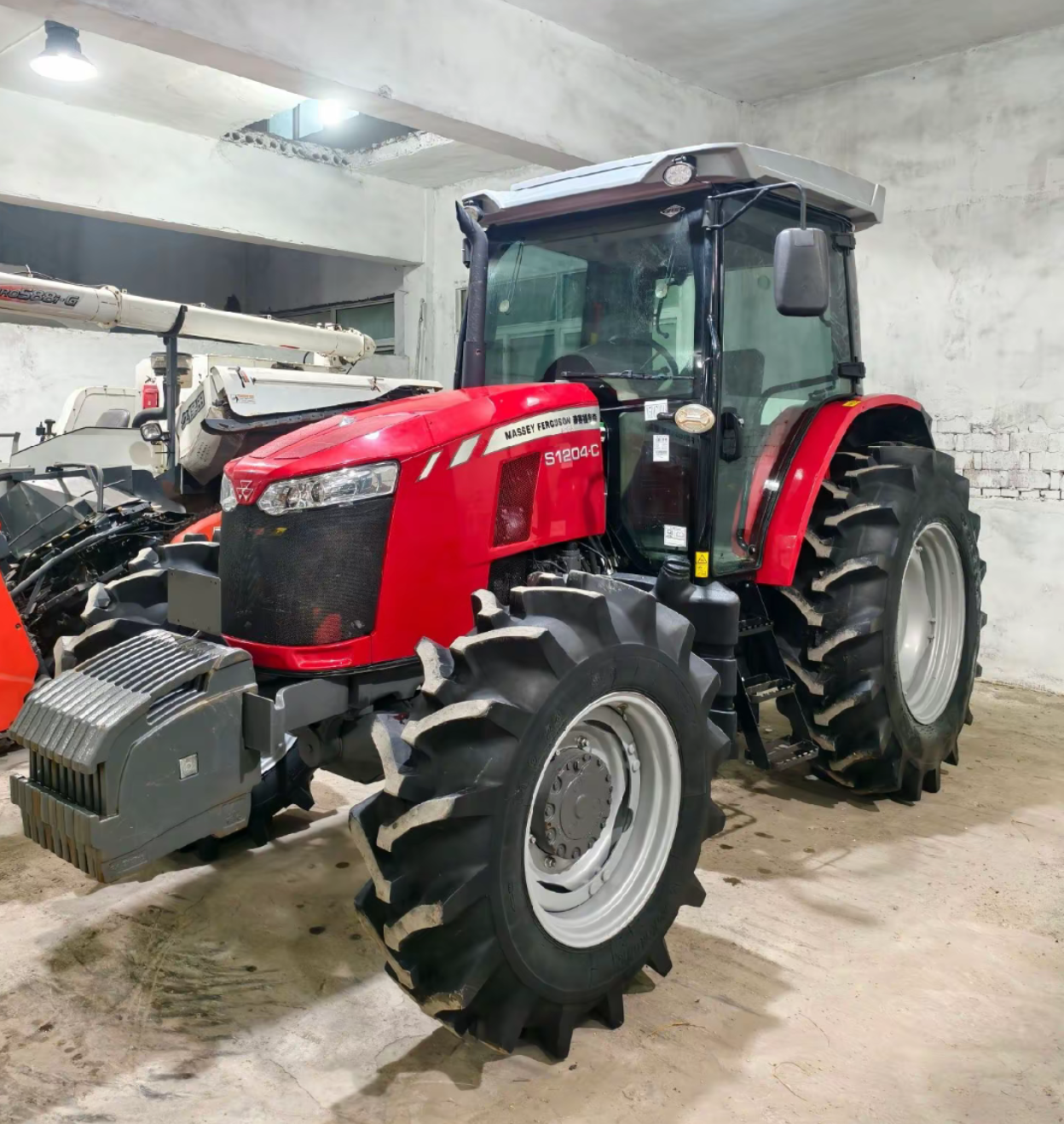
A combine gets all the attention at harvest time, but the tractor is the machine your farm actually runs on. It mows, tills, plants, hauls, loads, and clears snow in the months nobody is thinking about harvest. When it's down, everything slows down with it. The mistake most buyers make is starting with horsepower. They pick a number, then look for a tractor that matches it. It's the wrong order. Look at the work you do first, and let that decide the tractor. This guide covers the tractor size classes, the specs that matter more than the badge, and the questions to ask before you sign anything.
Start With the Work, Not the Horsepower
A tractor earns its keep through three connections, and every implement you own has to match all three:
- The three-point hitch lifts and carries implements. Hitches come in categories, and they have to line up with the pins on your equipment.
- The PTO shaft powers mowers, balers, and tillers. It spins at a standard speed. Most tractors run 540 rpm; many larger ones also offer 1,000 rpm.
- The hydraulics run loaders and anything with its own cylinders. Flow is measured in gallons per minute (gpm), and a loader on a low-flow tractor feels frustratingly slow.
So before you shop, list the implements you already own and check their hitch category and PTO requirement. Your next tractor has to run what you have. A bigger engine doesn't help if the hitch doesn't fit.
Specs That Matter More Than the Horsepower Number
Horsepower gets all the attention because it's one number on one line. The rest of the spec sheet decides whether you'll enjoy the tractor or fight with it. Transmission is the big one. Hydrostatic transmissions are the easiest to learn and the best for loader work. Press a pedal and go. Gear and power-shift transmissions handle heavy pulling better and cost less to repair. If three different people will drive this tractor, pick the transmission all three can handle. The cab matters more than it sounds. You'll spend long days in it, and a tight cab with poor visibility is miserable in July. Check the view toward the loader bucket, the air conditioning, and the seat. Buy the comfort once; you can't add it later. Tires deserve a decision, not a default. Agricultural tread (R1) grips best in the field, industrial tread (R4) survives concrete and pavement, and turf tread suits mowing. If the tractor will split time between field and yard, the tire choice matters as much as the engine choice. Also look at the service points before you buy: oil filters, fuel filters, grease points. On some tractors you can reach everything with the hood open. On others you'll be removing panels to change a filter. That difference shows up in the first year of ownership, not the first day.

New or Used: What the Price Gap Actually Buys You
Used tractors are a bigger part of this market than almost any other machine, and for good reason. A well-maintained tractor from a known brand runs for decades and holds its value. For a first tractor, a clean used unit is often the smarter buy. You learn what you actually need before you spend new-machine money. "Maintained" does the heavy lifting in that sentence. On a used tractor, check the service records, the hours, and the obvious signs of wear: smoke at start-up, leaks under the engine, worn tires. Test the PTO and hydraulics under load, not just in the yard. If the seller can't show maintenance records, price that risk in. New tractors buy you warranty and modern emissions equipment, and that equipment is the real difference between old and new. Newer machines run cleaner, but they also carry more electronics, some of which is expensive to repair out of warranty. If you're buying new, the warranty terms are part of the price. Read what's covered and what requires dealer service to stay covered. Financing matters too. Many dealers run seasonal programs, and rates can differ more than the sticker price. Compare total cost, not the monthly payment.
Making the Final Decision
Start with a number you can defend: your busiest week. Name the heaviest job and the acres it covers, and you can size a tractor. If you can't, don't shop yet. Watch your own field work for a season and take notes. Then plan for growth. If you're leasing land next year or adding hay or grain handling, size for that, not for today. Buying a bigger tractor in two years usually costs more than buying one size up now. But don't buy for a dream. If the growth hasn't happened, the extra tractor is just a bill. Get a demo. Any serious dealer will arrange one, and it's worth the afternoon. Run your own implement on their lot, check the cab, and spend twenty minutes in the seat. A tractor that looks right in photos can feel wrong after an hour of loader work. Finally, weigh the dealer as heavily as the tractor. Parts availability and service speed matter most in the weeks you can't afford downtime. A slightly better machine from a distant dealer is a worse deal than a good machine with parts a day away. Ask how they handle breakdowns in harvest season before you ask about the price. The right farm tractor isn't the most powerful one you can afford. It's the one that matches your heaviest job, your implements, and the person who'll drive it. Get those three right and the tractor pays for itself. Get them wrong and you'll be back in this guide in two years.
Share to:


Types of Tractors: A Complete Guide to Choosing the Right Farm Machine


