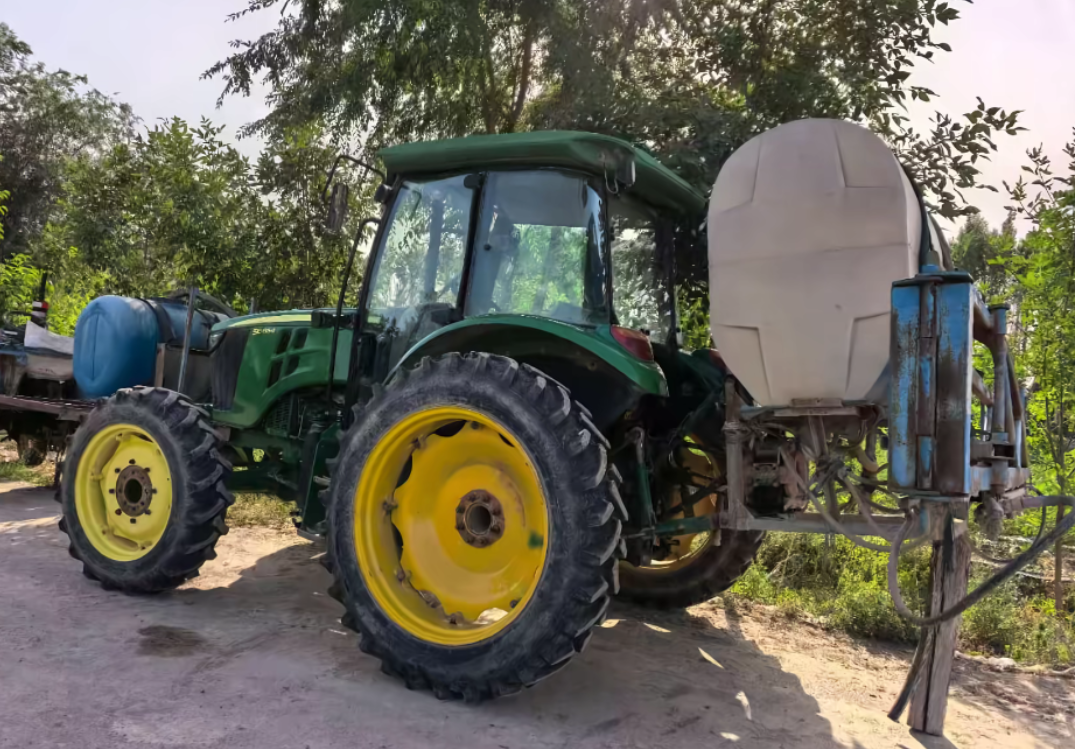
Types of Tractors: A Complete Guide to Choosing the Right Farm Machine
News Details
Tractors are essential to modern agriculture, supporting every stage from soil preparation and planting to material handling and field maintenance. However, different farming operations require different machine designs, power levels, and attachments. Understanding the main types of tractors helps farmers and equipment buyers choose machinery that suits their land, crops, and workload. This guide covers common tractor categories, their applications, and key factors to consider before purchasing.
Main Types of Tractors Used in Farming
Tractors can be classified by size, power, and intended application. Some categories overlap, so the best choice depends on the specific work being performed.
Utility Tractors
Utility tractors are versatile machines commonly used for plowing, mowing, hauling, and general farm maintenance. Their balanced power and compatibility with different implements make them suitable for small and medium-sized farms. For buyers seeking an all-purpose agriculture farming tractor, utility models offer a practical option for handling multiple daily tasks with one machine.
Compact Tractors
Compact tractors are designed for small farms, orchards, landscaping, and other areas with limited working space. Their smaller size makes them easy to maneuver, while compatible attachments support mowing, light tillage, and material handling. Before buying, check lifting capacity, ground clearance, and attachment compatibility to ensure the machine can handle your workload.
Row Crop Tractors
Row crop tractors are designed for crops planted in organized rows, such as corn and soybeans. Adjustable wheel spacing and suitable ground clearance help operators work between rows while minimizing crop damage. These machines are commonly used for planting, cultivation, and spraying in commercial farming operations.
Orchard and Vineyard Tractors
Orchard and vineyard tractors typically feature narrow profiles and compact designs for working between trees or vine rows. Their dimensions help operators navigate restricted spaces while carrying out mowing, spraying, and other crop maintenance tasks. Buyers should check row spacing, overhead clearance, and equipment compatibility before selecting a model.
Four-Wheel-Drive and Crawler Tractors
Four-wheel-drive tractors provide additional traction for demanding field conditions, including uneven terrain and certain wet-soil applications. They are available in different power classes to suit various agricultural tasks. Crawler tractors use tracks instead of conventional wheels. Their larger ground-contact area can help distribute machine weight and improve traction on suitable surfaces, making them useful for selected heavy-duty field operations.
How Tractors Are Used in Agriculture
Different tractors support different stages of farm production. Matching the machine to the task helps improve efficiency and avoid unnecessary equipment costs.
-
Soil preparation: Plowing and heavy tillage require suitable engine power and traction for the soil and implement.
-
Planting and crop management: Row crop tractors can accommodate equipment designed for specific crop spacing and field layouts.
-
Material handling: Utility tractors equipped with compatible front loaders can move feed, soil, hay bales, and other farm materials within rated capacity.
-
Orchard and livestock work: Compact and specialized tractors help manage restricted spaces, farm buildings, and routine maintenance tasks.
Understanding these applications makes it easier to compare different tractors based on their actual working requirements rather than size or horsepower alone.
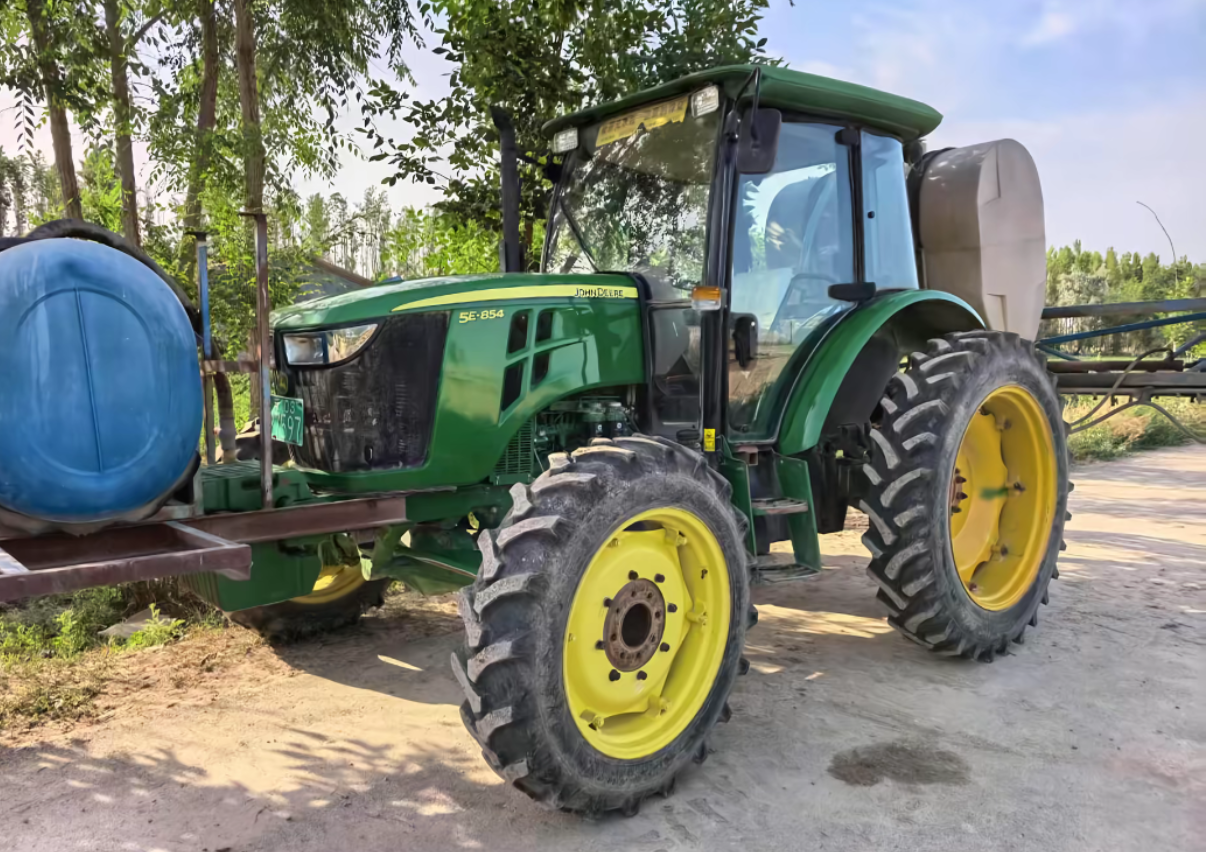
How to Choose the Right Agriculture Farming Tractor
Several factors should guide your purchasing decision.
Horsepower and workload: Choose a tractor with sufficient power for your primary implements. Consider PTO output, hydraulic capacity, and expected operating hours as well as engine horsepower.
Terrain and tires: Flat fields, muddy ground, and steep slopes place different demands on a machine. Tire type and drive configuration affect traction, maneuverability, and soil impact.
Attachments: Check hitch specifications, PTO speed, hydraulic connections, and loader compatibility before purchasing. The right configuration allows one tractor to handle more tasks efficiently.
Budget and maintenance: New tractors may offer warranty coverage and updated features, while used models can reduce initial costs. Inspect the machine's condition and maintenance history, and confirm local spare parts availability and after-sales support.
Making the Most of Your Tractor Investment
Understanding the types of tractors available helps farmers select equipment suited to their land and production needs. Utility tractors offer versatility, compact models work well in confined spaces, and row crop or specialty tractors address more specific agricultural requirements. The best agriculture farming tractor is not necessarily the largest or most powerful. It is the one that matches your workload, implements, operating conditions, and maintenance budget. Compare specifications, attachment compatibility, and service support before making a purchase. A well-matched tractor can improve field efficiency and provide reliable performance across multiple growing seasons.