Combine Harvester Guide: Boosting Farm Efficiency with the Right Equipment
News Details
Understanding the Core of a Combine Harvester
First, a combine harvester is the backbone of grain farming today. It cuts, threshes, and cleans crops in one smooth pass. This single machine saves massive time and labor on large fields. For example, modern models handle wheat, rice, and corn with ease. Their advanced threshing systems reduce grain loss during harvest. Therefore, farmers consistently see higher yields each season. Also, a quality combine harvester adapts to different crop types quickly. It works well in both dry and wet field conditions. Standard features now include GPS guidance and auto-steering. In addition, these machines collect vast amounts of field data. Farmers use this data to plan next year. Consequently, every harvest becomes smarter and more profitable. Similarly, the onboard computer tracks moisture and yield levels. This real-time feedback helps you adjust settings on the go. So you get the best possible grain quality.
Why a Used Combine Harvester Makes Financial Sense
First, a used combine harvester offers real value for budget-minded farms. It delivers solid field performance at a much lower price. But you must inspect it carefully before you buy. For example, check the engine hours and full service records first. Look for signs of rust or belt wear on key parts. Also, test the header and threshing system under load. Furthermore, many reputable dealers offer certified pre-owned programs now. These include warranties and detailed inspection reports. Therefore, buying used does not mean taking big risks. In fact, a well-kept used machine can last ten more harvest years. It helps new farmers enter the market faster and cheaper. Standard maintenance keeps it running smoothly like new. Meanwhile, financing a used machine is much easier and faster. Banks approve smaller loans for used equipment readily. This lowers the barrier for small family farms.
Comparing Track Combine Harvester and Wheel Combine Harvester Options
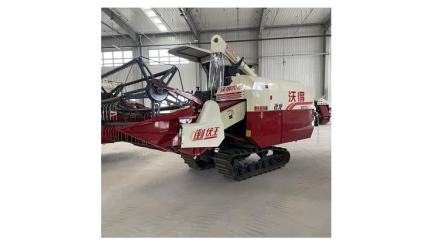
First, a track combine harvester truly excels on soft or muddy ground. Its wide tracks spread machine weight evenly across the soil. This greatly reduces compaction and protects your valuable field. But a wheel combine harvester shines on flat, dry terrain. It moves faster between fields and on public roads. Also, wheel models cost less to maintain over their lifetime. Therefore, your choice depends heavily on your land and climate. Wet regions favor track models for superior flotation every season. Dry regions benefit from wheel speed and lower cost. In addition, some large farms run both types for different seasons. This hybrid approach maximizes harvest uptime and overall efficiency. Standard planning helps match the right tool to each job. Meanwhile, consider your soil type before making the final call. Clay soils demand tracks to avoid deep ruts. Sandy loam works perfectly with standard wheel setups. Furthermore, tire technology keeps improving for wheel models now. Wide flotation tires offer better grip on damp soil. This narrows the gap between track and wheel performance.
Integrating the Right Combine Harvester into Your Workflow
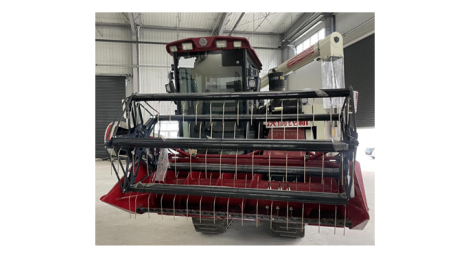
First, a new combine harvester changes your entire harvest workflow overnight. It sets the pace for trucks, dryers, and storage operations. But you need a clear plan before the season starts. For example, train your operators on the new controls weeks early. Schedule maintenance windows to avoid breakdowns at peak harvest time. Also, map out logistics from field to storage bin. Moreover, track your machine data closely to find hidden bottlenecks. Use telemetry to monitor fuel use and engine load patterns. This turns raw data into smarter and faster farming decisions. Ultimately, the right combine harvester pays for itself very fast. It cuts labor costs and speeds up harvest time dramatically. Therefore, your whole operation runs smoother, smarter, and leaner. Finally, schedule a post-harvest review with your whole team. Discuss what worked well and what needs improvement. This feedback loop makes each season better than the last.