Agricultural Harvester Guide - Grain Rice Wheat Corn Combine Solutions
News Details
Agricultural Harvester Solutions for Modern Crop Management
Farming today demands both speed and precision in equal measure. An agricultural harvester delivers these two critical qualities in one machine. But selecting the right model can feel genuinely overwhelming for any buyer. This guide breaks down the core options clearly for informed decisions.
Understanding Grain and Crop Harvesters
Modern farms rely heavily on specialized harvesting equipment for daily field operations. A grain combine harvester is the true workhorse of cereal and crop production worldwide. It cuts, threshes, and cleans grain in a single efficient and fully continuous pass. Also, these versatile machines handle multiple crop types with simple and relatively quick adjustments. Standard features include adjustable headers and variable-speed threshing drums on most models. Therefore, operators can switch between different crops without experiencing any major downtime. The flexibility saves both valuable labor time and significant capital investment on the farm. Routine maintenance is straightforward with daily checks on belts and chains.
Rice Combine Harvester for Wet Field Conditions
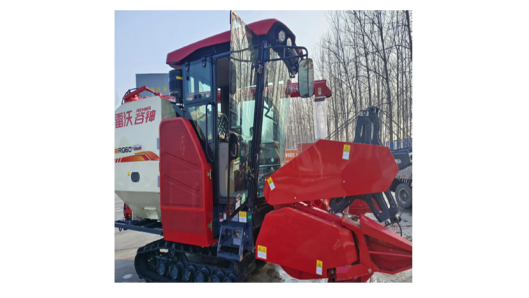
Rice farming always presents unique and exceptionally difficult challenges for heavy harvesting machinery. A rice combine harvester is purpose-built for muddy and frequently flooded terrain conditions. It uses durable rubber tracks instead of standard wheels for improved flotation and traction. But traction is only one important part of the complete operational equation. These machines also feature sealed bearings and fully water-resistant electrical components throughout. Additionally, the threshing mechanism is carefully calibrated for delicate and easily damaged rice grains. For example, grain loss stays under one percent in well-maintained and properly adjusted modern units. The result is consistently cleaner harvests even in demanding and deeply flooded paddy environments. Farmers report noticeably higher yields and far fewer field losses after upgrading their equipment. The track system also reduces harmful soil compaction over multiple growing seasons.
Wheat Combine Harvester for High-Volume Output
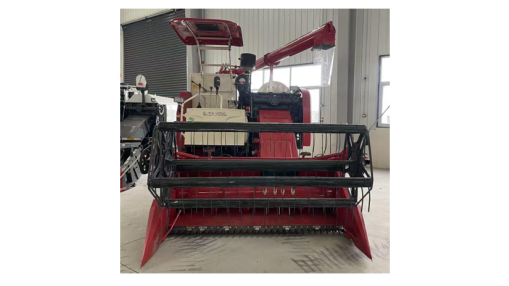
Wheat fields stretch endlessly for miles across major and minor growing regions worldwide. A wheat combine harvester handles this enormous scale with remarkable ease and dependable consistency. Wide headers and powerful diesel engines drive the cutting speed relentlessly forward each day. Also, these robust machines process tough wheat straw efficiently and very reliably under pressure. Standard grain tanks hold several tons before requiring any time-consuming unloading stops. Therefore, operators spend significantly more time actively cutting and far less time idly stopping. The return on investment comes directly from pure harvesting throughput numbers achieved each season. Large farming operations see complete payback within just a few productive harvest seasons. Straw management options include chopping and spreading for long-term soil health benefits.
Corn Combine Harvester for Row Crop Specialization
Corn requires a fundamentally different and highly specialized approach to harvesting operations. A corn combine harvester uses aggressive snapping rolls instead of a standard cutting header. These heavy-duty rolls pull stalks forcefully downward and strip the ears completely clean. But the system must also handle thick and very fibrous stalk material continuously without clogging. Also, kernel damage becomes a serious quality concern at higher than recommended operating speeds. For example, cracked or broken kernels significantly reduce the overall crop final market value. Proper adjustment of deck plates and rotor speed effectively prevents this common and costly issue. The best operators check these critical settings at the very start of every single field. Consistent monitoring throughout the long working day maintains peak performance levels without exception. Row spacing compatibility is another essential factor to verify before making any purchase decision.
Investing in the right harvester truly transforms a farm's entire long-term productivity curve. A well-matched machine cuts labor costs and dramatically speeds up critical harvest timing. But equipment selection is only half of the complete success equation. Operator training and regular preventive maintenance keep long-term performance consistently high year after year. Also, genuine parts availability matters greatly during the peak harvest season rush. Therefore, buyers should carefully consider dealer support networks before finalizing any major purchase. The right choice pays dividends across every single harvest cycle for many productive years. Good equipment partners provide training and emergency service support when needed most.