Big Tractors of the World: Power Meets Farm Efficiency
News Details
Why Big Tractors Matter Today
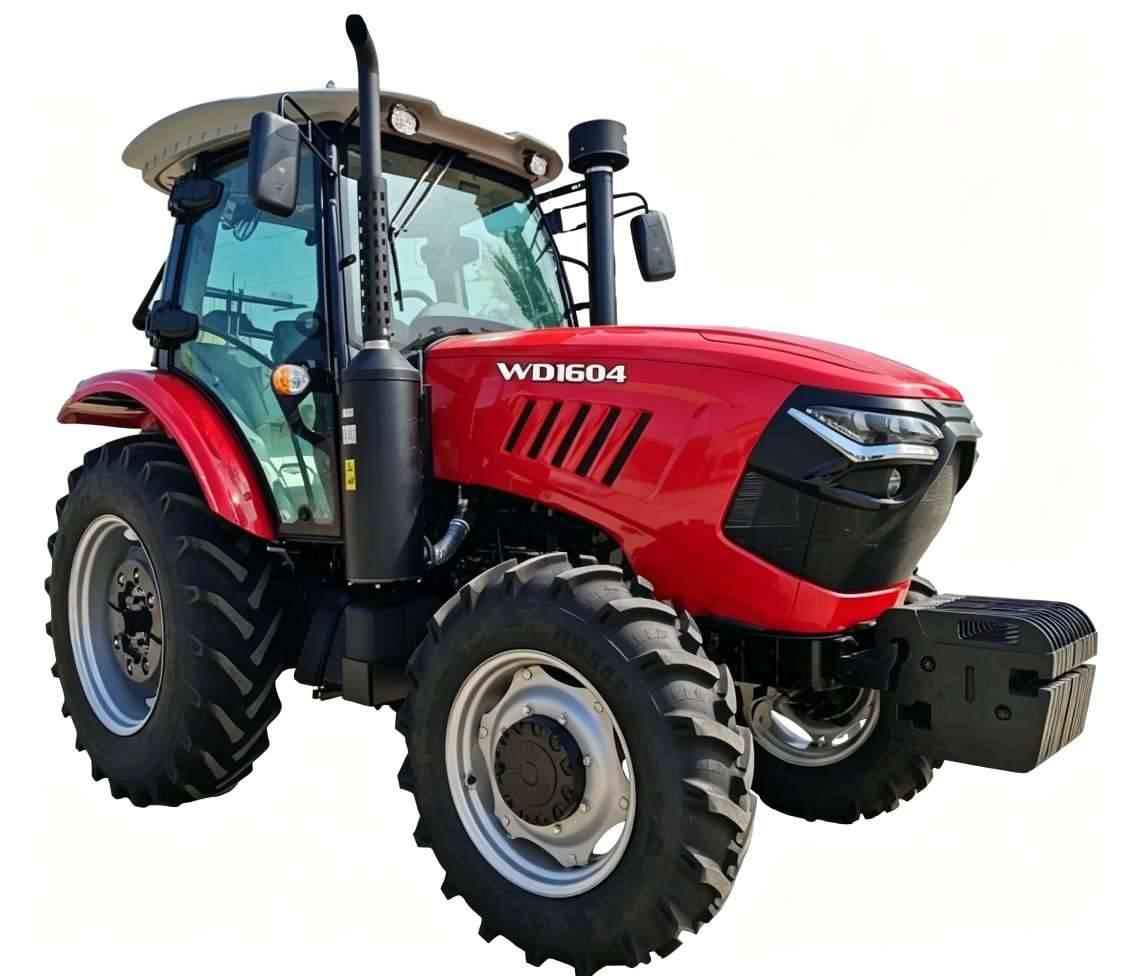
Farming fields grow larger with every single passing season. Big tractors of the world now complete jobs that once took many days. Also, they cut the real cost of every acre you manage. Large farm tractors bring speed where small units struggle to cope. Therefore, serious growers are switching to stronger horsepower fast. But raw power alone does not guarantee real success on the ground. Big tractors need skilled drivers and careful upkeep every single week. A well maintained machine stays reliable across many tough harvests. Standard care plans protect the engine, hydraulics, and the cabin too. Therefore, smart farms build solid routines around their biggest units. Standard frames now carry stronger engines and much deeper tires. For example, large farm tractors pull heavy tools through wet soil with ease. They also keep moving when lighter machines begin to slip into mud. Extra weight gives them the traction that smaller models simply lack. So operators finish fields sooner and with far less stress.
How Big Tractors Boost Farm Output
Big tractors turn slow field work into fast daily progress all year long. They cover more ground before the sun sets each evening. Also, they reduce the physical stress on the entire crew. One large machine can handle tasks that used to take two men. Therefore, more acres get done with fewer total working hours. For example, one large machine can replace several smaller units on a single farm. That lowers total fuel use and shortens the harvest window at once. Owners buy fewer spare parts and schedule less downtime each season. Therefore, growers see better yields with far less waiting around. The numbers usually speak for themselves within just one year. Big tractors must always match the actual soil and crop plans. A heavy machine can damage wet ground if it is used too soon. So check the field conditions before any large unit starts rolling. Standard practice says wait until the moisture drops to a safe level. Therefore, plan the timing well and watch the weather report every day.
Choosing the Right Big Tractor
Buyers should compare power, weight, and tire width before placing any order. Every large farm tractor carries different strengths for different field tasks. Also, check the dealer network and spare parts availability nearby. A strong service team matters just as much as a strong engine. Therefore, visit the showroom and ask many direct questions. Standard choices range from row crop models to wide four wheel drives. For example, big tractors with narrow tires suit planted fields the very best. Wide tires protect soft ground and spread the heavy load evenly. Your soil type should guide the final decision on every component. Therefore, match the unit to the work you do most on the farm. But the best big tractor is not always the biggest available model. Operating cost and driver comfort matter just as much as pure power. So test the cab, check the controls, and read the warranty with care. Standard financing plans can also share the cost across multiple seasons. Therefore, choose a machine that balances output and total ownership value.
The Future of Large Farm Tractors
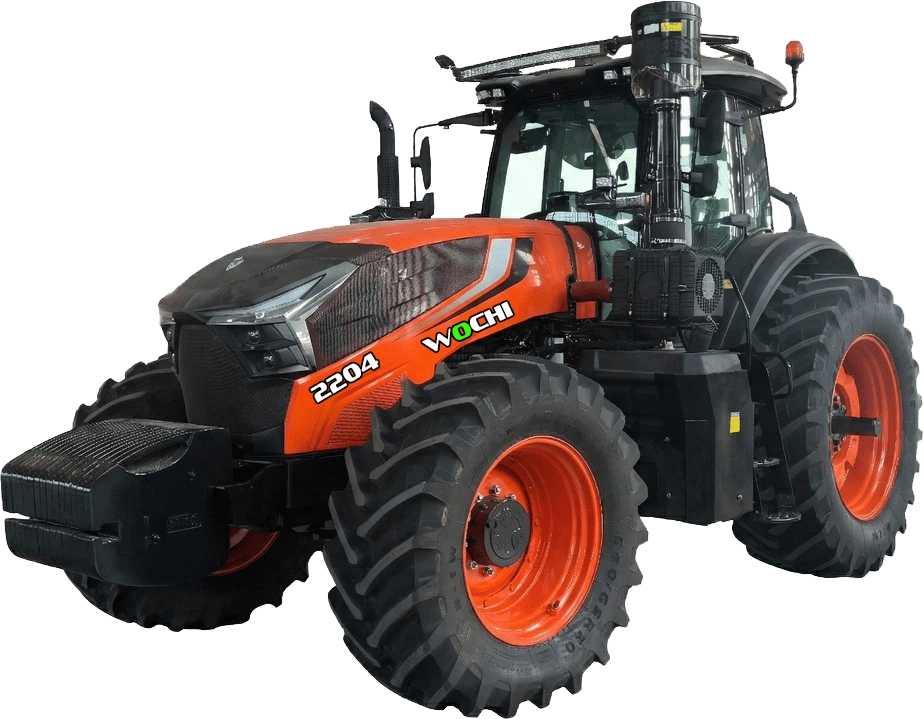
Technology is changing big tractors of the world at a very fast pace. Auto steering and smart sensors now guide every single field pass. Also, data helps owners plan fuel, labor, and parts far better. These tools turn a powerful machine into a precision farming asset. Therefore, modern operations gain both speed and consistent accuracy. For example, large farm tractors can adjust working depth on their own in real time. That protects fragile soil and cuts unnecessary wear every single year. Sensors spot slipping wheels and change the power delivery within seconds. Therefore, farms gain better efficiency while using less total input. The smart tractor is quickly becoming the new farm standard. But future gains still depend on the people behind the steering wheel. Training and maintenance will always protect the big investment. So invest in operators who understand each new automated feature well. Standard support from the brand keeps software and parts fully updated. Therefore, combine new machines with steady, skilled, and patient leadership.