Smart Harvest Equipment for Modern Farming Operations
News Details
The world of farming is changing at a rapid pace. New tools and smarter machines appear every single season. Among all these advances, harvest equipment stands out as a true game-changer for growers everywhere. But what drives this shift across farms today? Farmers now face tighter schedules and much higher market demands. Reliable harvest equipment helps them meet these daunting challenges head on.
Understanding Modern Harvest Equipment
Harvest equipment has moved far beyond simple hand tools of the past. Now machines handle cutting, threshing, and cleaning all in one smooth pass. This deep integration saves both time and labor on the field every day. Also, modern designs focus on fuel efficiency and reduced grain loss at every step. A single harvester machine can now cover more acres each working day. Therefore, operators spend less time in the cab and more time planning for future seasons. For example, GPS-guided systems now come standard on many popular models today. These systems map yield data in real time across every single row. So farmers can make instant calls about speed and header height without guesswork. Standard maintenance routines have also become much simpler to follow and execute. Built-in sensors track wear on belts and chains automatically. This means fewer surprise breakdowns during the busiest weeks of the harvest season.
The Rise of the Harvester Machine
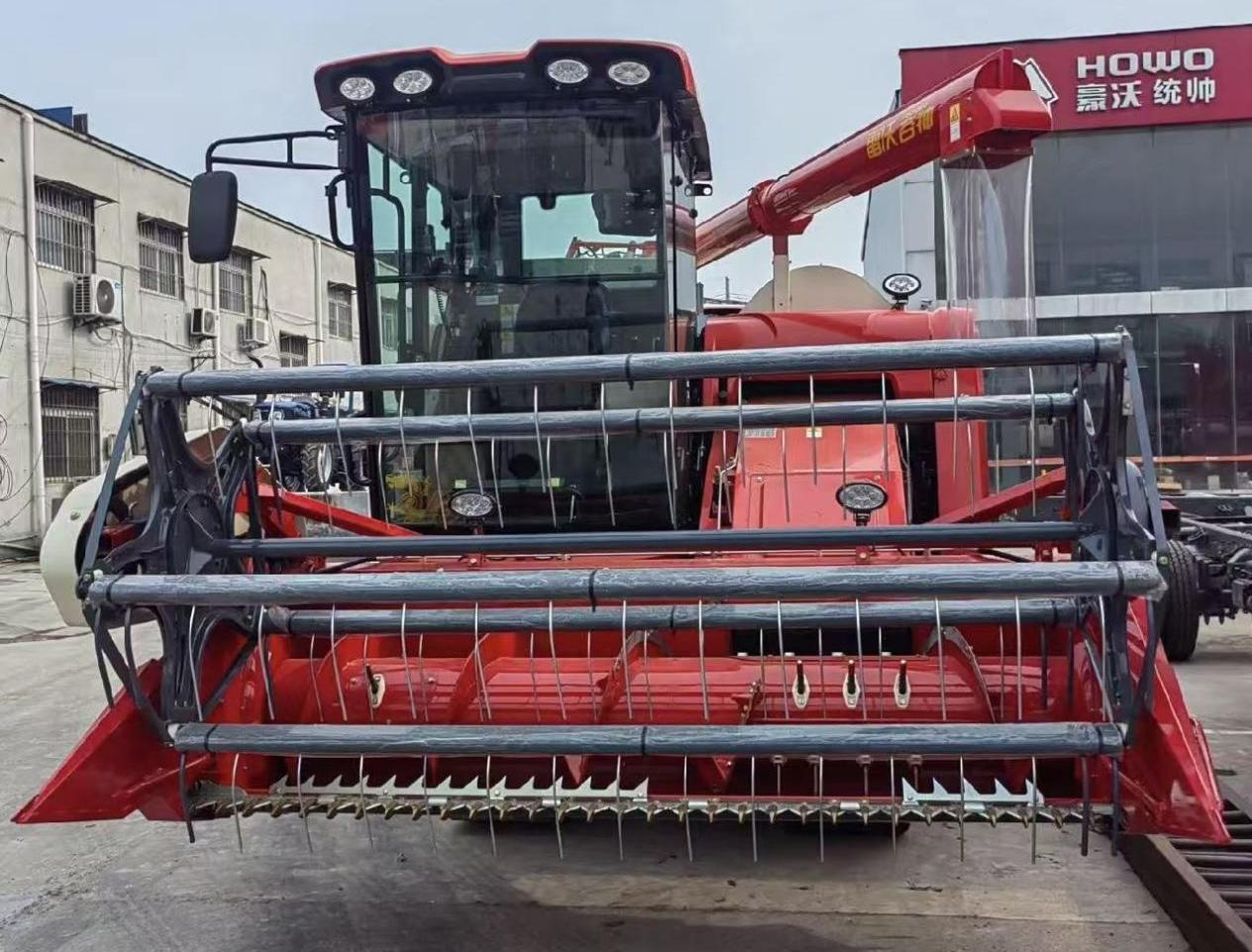
The harvester machine has become the true backbone of modern grain production worldwide. It combines separate steps that once needed multiple different passes. As a result, one skilled operator can do what a whole crew once did. Moreover, harvester machines now adapt well to a wide range of different crops. Wheat, corn, soybeans, and rice each need their own distinct settings. Luckily, quick-adjust headers and concave systems make switching both fast and simple on the go. In the past, major breakdowns during peak season could ruin a whole harvest completely. Now onboard diagnostics alert operators long before any failures happen. This means less costly downtime and much more grain safely in the bin. Furthermore, dealers now offer remote monitoring services for their harvester machine fleets. Technicians can spot issues from miles away and dispatch help early. So repair teams arrive before small problems become big expensive ones.
Combine Agriculture and Field Integration
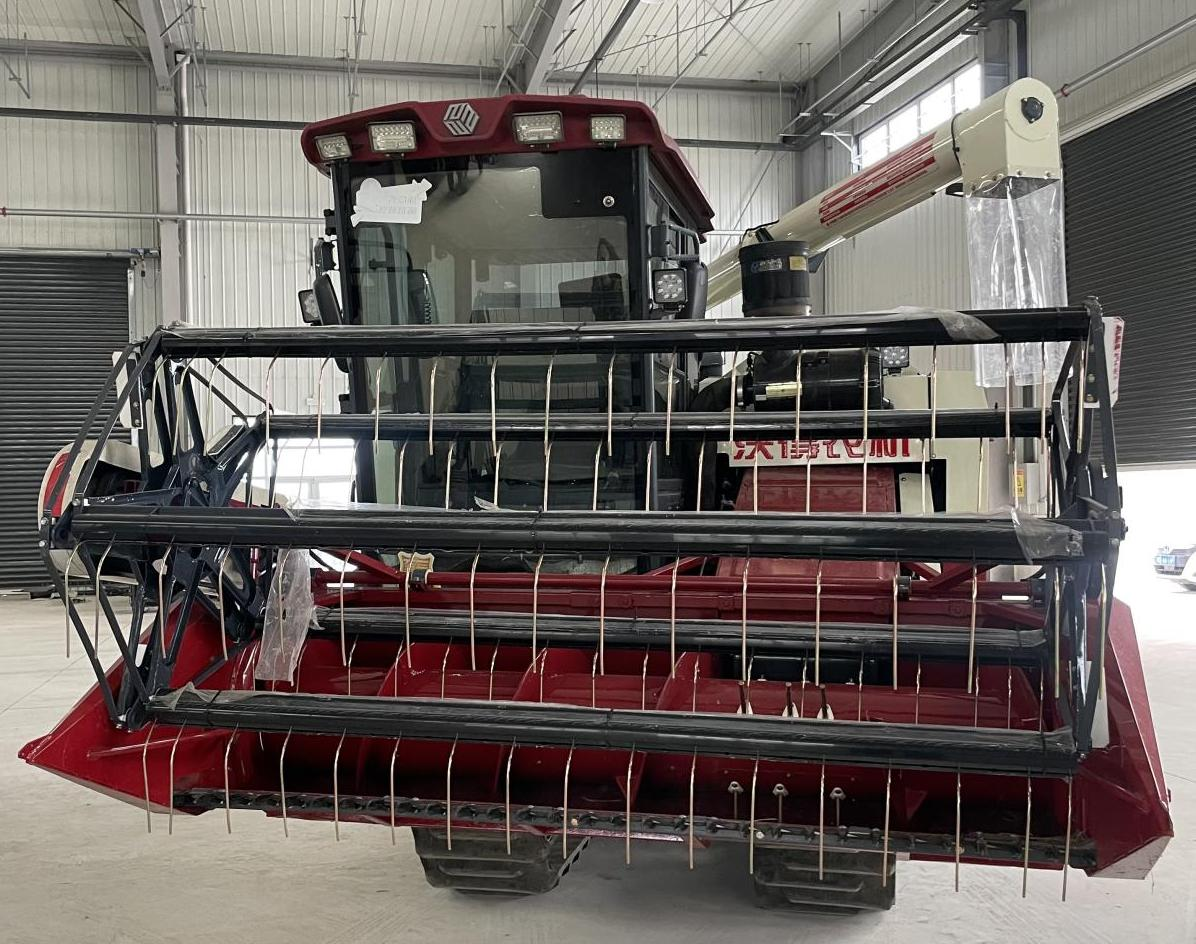
Combine agriculture is about much more than just a single machine working alone. It links planting, spraying, and harvesting into one unified smart workflow. Each step feeds valuable data into the very next step seamlessly. For instance, planting maps guide the harvester on which rows to cut first every morning. Spraying records tell the operator exactly where weeds were thickest that season. So the entire season becomes a deeply connected loop of useful information for the grower. Also, soil health data now flows into combine agriculture platforms without any extra work. Farmers can see how different fields performed under the very same weather conditions. Therefore, they adjust seed varieties and fertilizer rates wisely for next year. Meanwhile, grain quality sensors mounted inside the tank provide instant moisture readings. Operators can adjust settings on the fly to protect crop value. This level of control was simply unthinkable just ten short years ago.
The Road Ahead for Harvest Equipment
Automation is pushing harvest equipment into a bold new era of farming innovation. Driverless combines are already being tested on large commercial farms today. These smart machines follow routes with centimeter-level accuracy around the clock. Furthermore, electric and hybrid power trains are now entering the mainstream market rapidly. They promise lower noise and zero tailpipe emissions during long operation hours. This shift aligns with pressing global sustainability goals for modern agriculture worldwide. In the end, harvest equipment keeps evolving to meet urgent real-world needs year after year. The harvester machine and combine agriculture will only become smarter over time. Farmers who embrace these powerful tools will stay ahead of the curve each season.