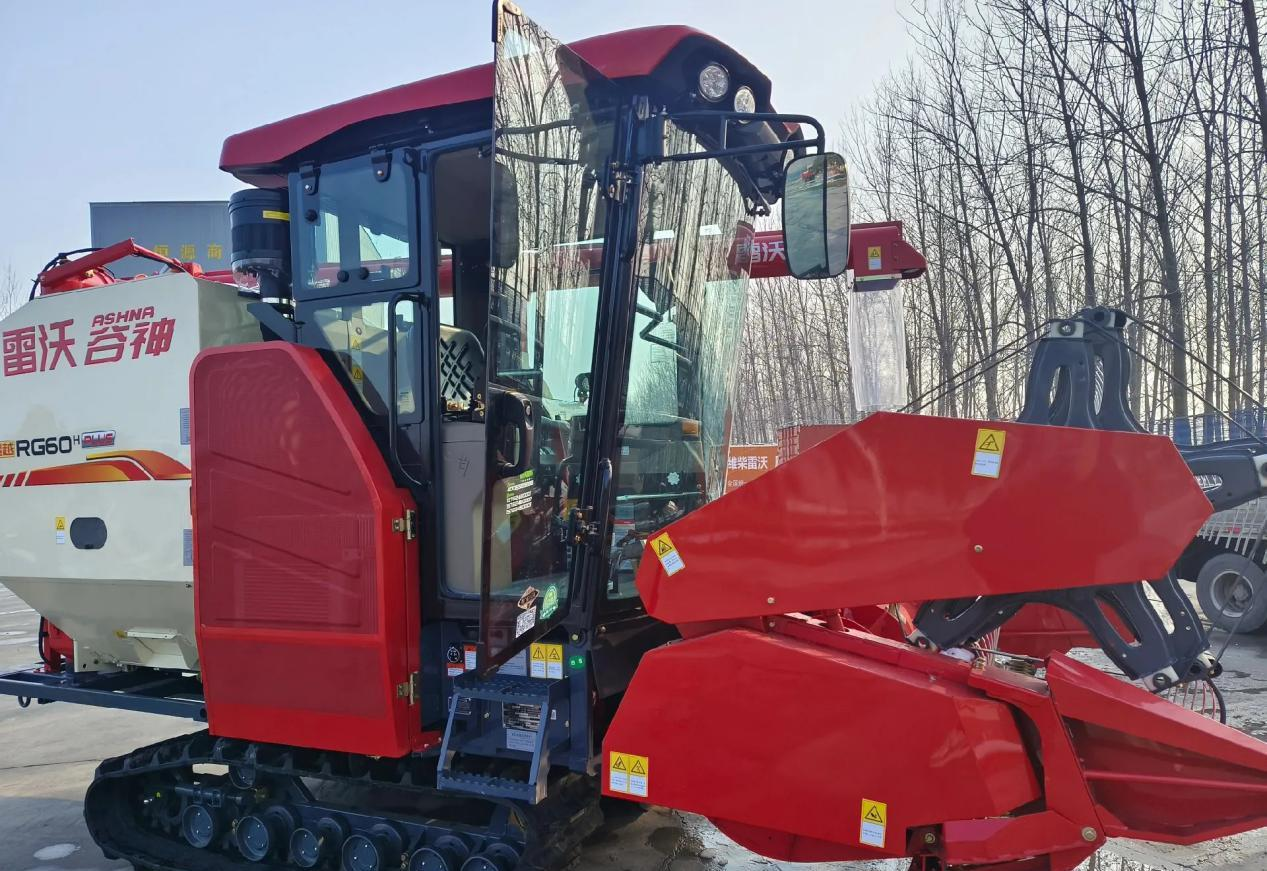
Corn Combine Harvester - Efficient Harvesting Solutions for Modern Agriculture
News Details
Versatility Across Key Crop Types
Farmers today plant a variety of grains each season. Corn is often the primary focus for many operations. However, flexibility across crops is essential for long-term profitability. A quality corn combine harvester also works well with soybeans. The machine can switch between crops with minimal adjustments needed. For example, a combine harvester for soybeans requires specific header settings. The same base machine adapts quickly to these needs. Operators appreciate the reduced downtime between crop transitions. Similarly, wheat harvesting demands careful threshing adjustments. A wheat combine harvester configuration handles fragile grains gently. Rice farming presents another important use case for these machines. Wet field conditions create unique challenges for harvesting equipment. A rice combine harvester features specialized tracks and sealing systems. These adaptations protect internal components from water and mud. The machine maintains traction on slippery surfaces very effectively.
Choosing the Right Machine for Your Operation
Farm size directly influences equipment selection decisions. Larger operations benefit from high-capacity models with greater throughput. Smaller farms may prioritize maneuverability and fuel efficiency instead. A big combine harvester offers impressive throughput and grain tank capacity. It covers more acres per day during peak harvest season. Therefore, matching header width to field conditions is critical for success. Narrow roads and small plots demand more compact designs. Wider headers excel in open, flat terrain with long rows. Also, consider your local dealer support network carefully. Parts availability and service response times matter greatly during harvest. Technology features also play a growing role in purchase decisions. GPS guidance systems reduce operator fatigue on long working days. Yield monitoring sensors provide valuable data for future planning efforts. Modern machines include automated setting adjustments based on crop conditions. These systems optimize threshing and cleaning performance in real time.
Maintenance Practices for Long-Term Reliability
Regular maintenance keeps your equipment running at peak performance levels. A daily inspection routine prevents small issues from becoming major failures. This simple habit pays dividends throughout the entire harvest season. For instance, check belts and chains before each workday begins. Tighten loose components and lubricate all grease points thoroughly. Furthermore, pay special attention to the cutting system on your machine. Dull blades increase fuel consumption and reduce cutting quality significantly. Replace worn sections promptly to maintain clean cuts and efficient operation. Grain loss monitoring deserves dedicated attention during active operation. Adjust fan speed and sieve settings based on crop moisture levels. Clean the radiator screens to prevent engine overheating in dusty fields. Proper storage during the off-season protects sensitive electronic components. A covered shed extends the service life of belts and hydraulic hoses. These straightforward practices reduce unexpected downtime during critical harvest periods. They also help maintain strong resale value over the equipment life cycle.
The Economic Advantage of Smart Investment
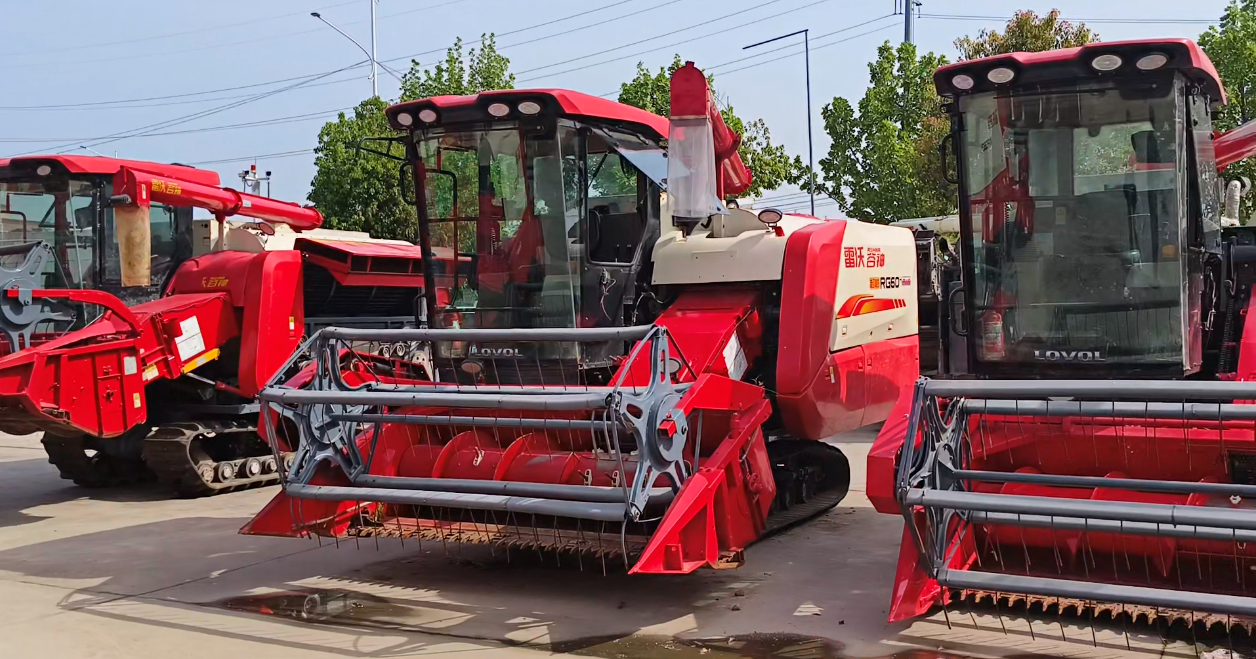
A well-chosen harvester delivers returns far beyond the purchase price. Reduced labor requirements translate directly to lower operating costs each season. One skilled operator can manage acres that once required multiple workers. In addition, timely harvesting preserves grain quality and market value. Delays from equipment breakdowns lead to shattering losses in the field. Moreover, modern machines produce cleaner grain samples with fewer foreign materials. Buyers often pay premium prices for high-quality deliveries throughout the year. This quality advantage compounds over multiple harvest seasons for producers. The used equipment market also offers strong resale values for well-maintained units. Regular service records and proper storage protect your investment over time. Ultimately, the right corn combine harvester becomes a cornerstone of farm profitability. It provides reliability across corn, soybeans, wheat, and rice harvests. The decision deserves thorough research and careful consideration of your unique needs. Talk to experienced dealers and fellow farmers before making your choice. A smart investment today pays dividends for many harvest seasons ahead.